Hotels in Fatih: What Kind of District Are You Booking Into?
What kind of district is Fatih?
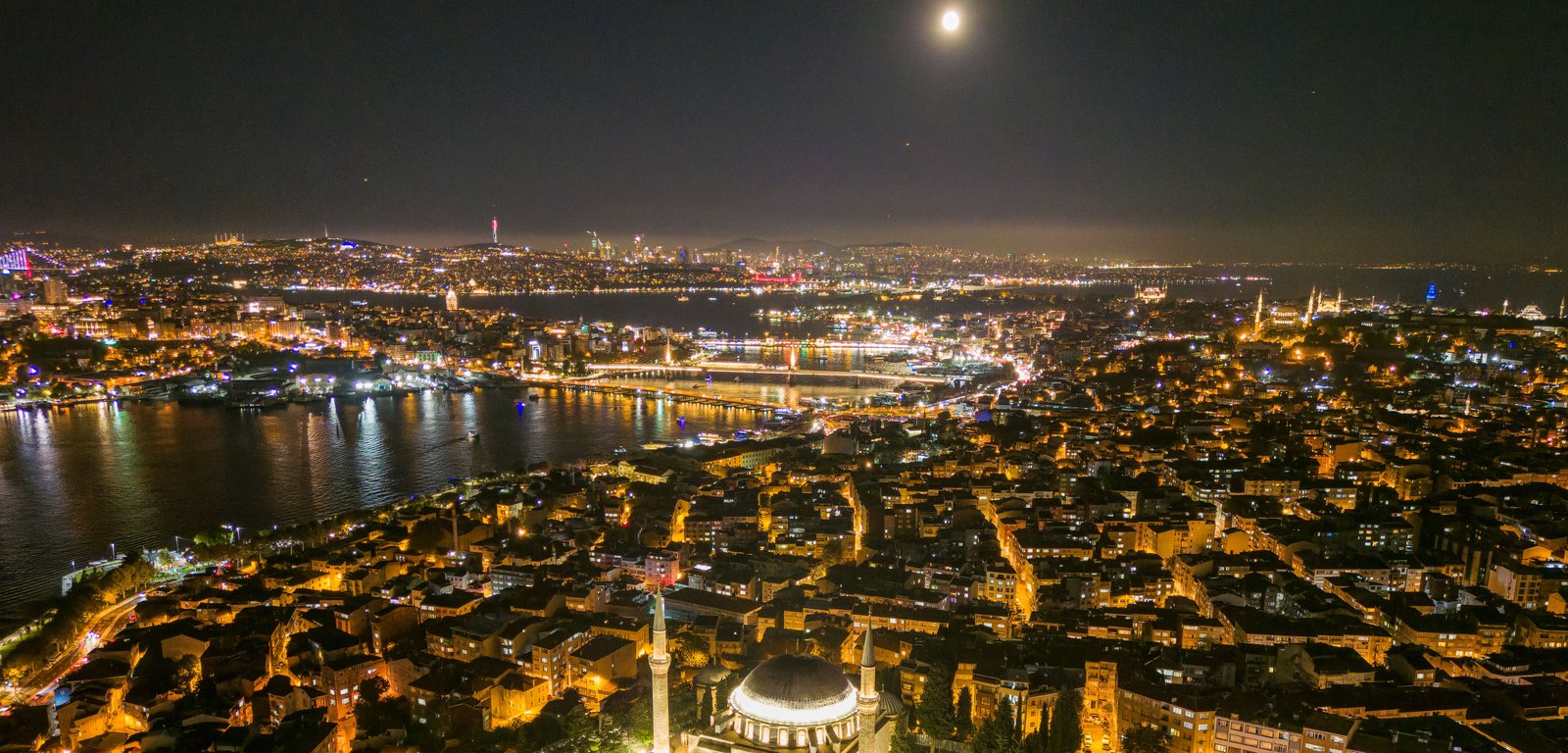
Fatih is the district that covers the whole historic peninsula, which means it contains the great monuments, the covered markets, the university, quiet residential ridges and conservative neighbourhoods all at once. It is not a neighbourhood with a single character, and a review that describes it as one is describing a single street. This is the first thing a visitor booking here needs to understand.
Does the district name tell you anything useful about your street?
Very little, because Fatih is large enough that two hotels with the same district on the address can feel like they are in different cities. The name you actually need is the quarter, the small unit that comes before the street in a Turkish address. Look that up rather than the district, and look at the two or three streets around it.
Where does AHC Old City Hotel stand within it?
AHC Old City Hotel is in Balabanağa, on Vidinli Tevfikpaşa Caddesi, which puts it on the central ridge of the peninsula near the university and the main avenue rather than out towards the walls or down on the shore. That part of Fatih is busy, mixed and well connected, with the covered market in one direction and the monument quarter in the other. It is a working part of the old city rather than a residential edge of it.
How should visitors dress here?
Normally, with one exception: entering a mosque requires covered shoulders and knees for everyone and a head covering for women, and scarves are usually available at the door. Around the university and the main avenues you will see every kind of dress; on some quieter residential streets further west the atmosphere is noticeably more traditional. Nobody expects a visitor to look local, but a bag with a scarf and a long layer in it saves the day being interrupted.
Is alcohol served in this part of the city?
It varies street by street in Fatih, and it is worth checking rather than assuming, because the mix is not uniform across a district this size. Some restaurants serve it and many do not, and a quiet evening drink is easier to find on the other side of the Golden Horn. If it matters to your evenings, treat it as a booking criterion rather than a surprise.
What changes during the month of fasting?
The rhythm of the day shifts: restaurants fill dramatically at sunset, the squares and mosque courtyards become social spaces in the evening, and daytime service in some places is reduced. Fatih is one of the most atmospheric districts in the city at that time of year and one of the busiest at certain hours. Knowing your dates fall inside it is more useful than any other single piece of planning.
Do people speak English in Fatih?
Around the monuments and the main hotels, yes; two streets away from them, often not, and that is part of the district's character rather than a problem to solve. Translation applications, written addresses and patience cover almost everything. Anyone who plans to stay in a residential quarter should carry the hotel's address written in Turkish.
What is expected when you enter a mosque?
Shoes come off at the entrance and go in a bag or on the shelves, visits are not made during prayer times, and photographs of people praying are not welcome. These are working places of worship in Fatih rather than museums with a religious theme. Ten seconds of watching what everyone else does at the door answers most questions.
Which visitors find Fatih easy and which find it unfamiliar?
Visitors who want to be inside the historic city, walk to the sights and eat where residents eat find it the obvious choice. Visitors who want bars, late nights and an international quarter find it quieter and more traditional than they expected, and often wish they had stayed across the water. Neither reaction is about the district being good or bad; it is about matching it to the trip.
Check the quarter, not the district
Read the full address, find the quarter name, look at the surrounding streets and decide from that rather than from the word Fatih. If a central, well-connected position on the old-city ridge is what you want, look at the rooms at AHC Old City Hotel and ask anything you are unsure about through the contact page before you book.